Managing blood sugar levels is essential for individuals with diabetes. One important tool used to monitor blood sugar control is the A1C test. This test measures the average blood sugar levels over a 2-3 month period and provides an overall picture of how well diabetes is being managed. To help you understand the significance of A1C levels, here is a comprehensive guide along with some useful resources.
A1C Chart: Understanding Blood Sugar Levels
An A1C chart is a valuable tool for individuals with diabetes. It provides a visual representation of the relationship between A1C levels and blood sugar control. The chart displays A1C levels as a percentage, with each percentage range corresponding to a specific blood sugar level. By referring to the chart, individuals can gain insight into their blood sugar control and make informed decisions regarding their diabetes management.
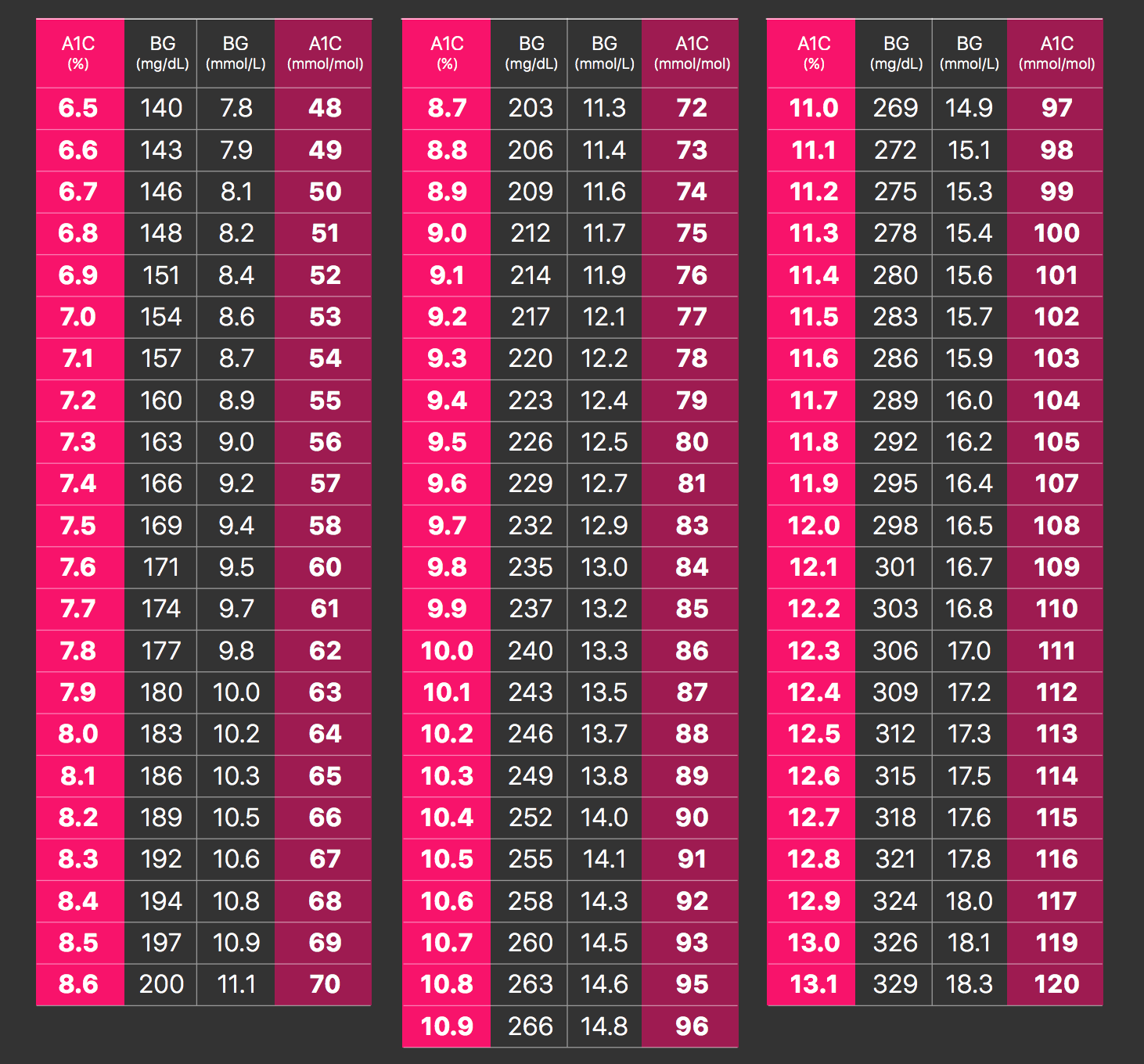 One trusted source of A1C information is the One Drop website. They provide advice on changing your perspective on what constitutes high blood sugar. It serves as a helpful reminder that even small changes can make a big difference in blood sugar control.
A1C Levels: What Do They Mean?
The A1C test measures the percentage of hemoglobin in the blood that is coated with sugar. The higher the percentage, the higher the average blood sugar levels. Here is a breakdown of A1C levels and what they indicate:
- Normal: Less than 5.7%
- Prediabetes: 5.7% to 6.4%
- Diabetes: 6.5% or higher
Amulette Jewelry offers an easy-to-understand A1C levels chart. It provides a visual representation of A1C levels and their corresponding blood sugar ranges. By referring to this chart, individuals can track their progress and take necessary steps to achieve optimal blood sugar control.
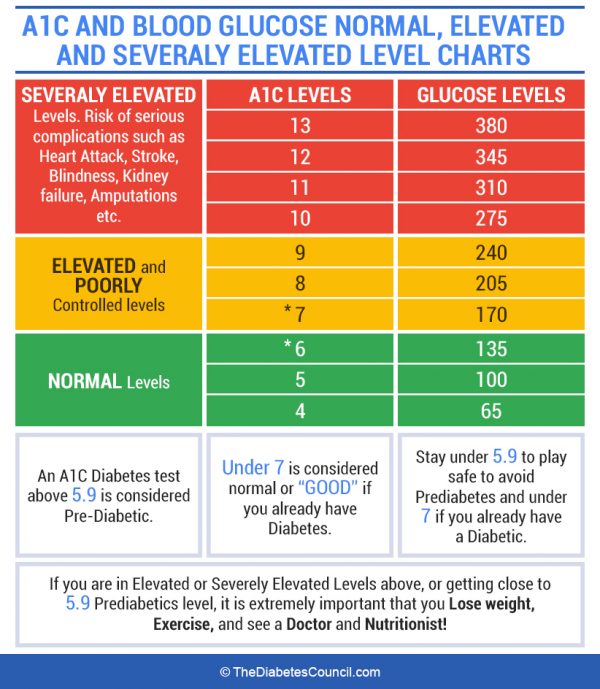 It is important to note that individual targets may vary depending on factors such as age, overall health, and personal preferences. It is recommended to consult with a healthcare professional to determine the target A1C level that is appropriate for your specific situation.
Using the A1C Chart to Make Informed Decisions
The A1C chart offers valuable insights into blood sugar control. With this information, individuals can make informed decisions and take actionable steps towards improving their diabetes management. It serves as a guide to understanding the impact of lifestyle changes, medication adjustments, and overall diabetes care on blood sugar levels.
When using the A1C chart, it is important to remember that consistency is key. Monitoring blood sugar levels regularly, making necessary adjustments, and maintaining a healthy lifestyle can contribute to achieving and maintaining target A1C levels.
Disclaimer: The information provided in this article is not meant to substitute professional medical advice. Please consult with your healthcare provider for personalized recommendations and guidance.
Conclusion
In conclusion, understanding A1C levels is crucial for individuals with diabetes. The A1C chart serves as a valuable tool for monitoring blood sugar control and making informed decisions about diabetes management. By referring to reliable resources such as One Drop and Amulette Jewelry, individuals can gain a better understanding of their A1C levels and take necessary steps to achieve optimal blood sugar control. Remember to consult with a healthcare professional for personalized guidance and recommendations. Take control of your diabetes management and strive for better health!
