The primary colors of the color wheel are red, yellow, and blue. These colors are called “primary” because they cannot be created by mixing other colors together. They are the foundation of all other colors and can be combined in different proportions to create various secondary and tertiary colors.
Image 1
 The first image showcases a primary color wheel worksheet. It provides a visual representation of the primary colors and how they can be mixed to create secondary colors. This worksheet is a great tool for teaching color theory and helping individuals understand the basic principles of color mixing.
Image 2
 This image highlights another color wheel worksheet that focuses on various color combinations. It encourages individuals to experiment with different hues and shades to create harmonious color palettes. Understanding color relationships is crucial for artists, designers, and anyone who works with colors in their profession.
Image 3
 Teaching color theory can be made interactive and engaging using resources like the one shown in this image. The color wheel chart provides a comprehensive overview of primary, secondary, and tertiary colors. It serves as a reference guide for students and helps them understand the relationships between different colors.
Image 4
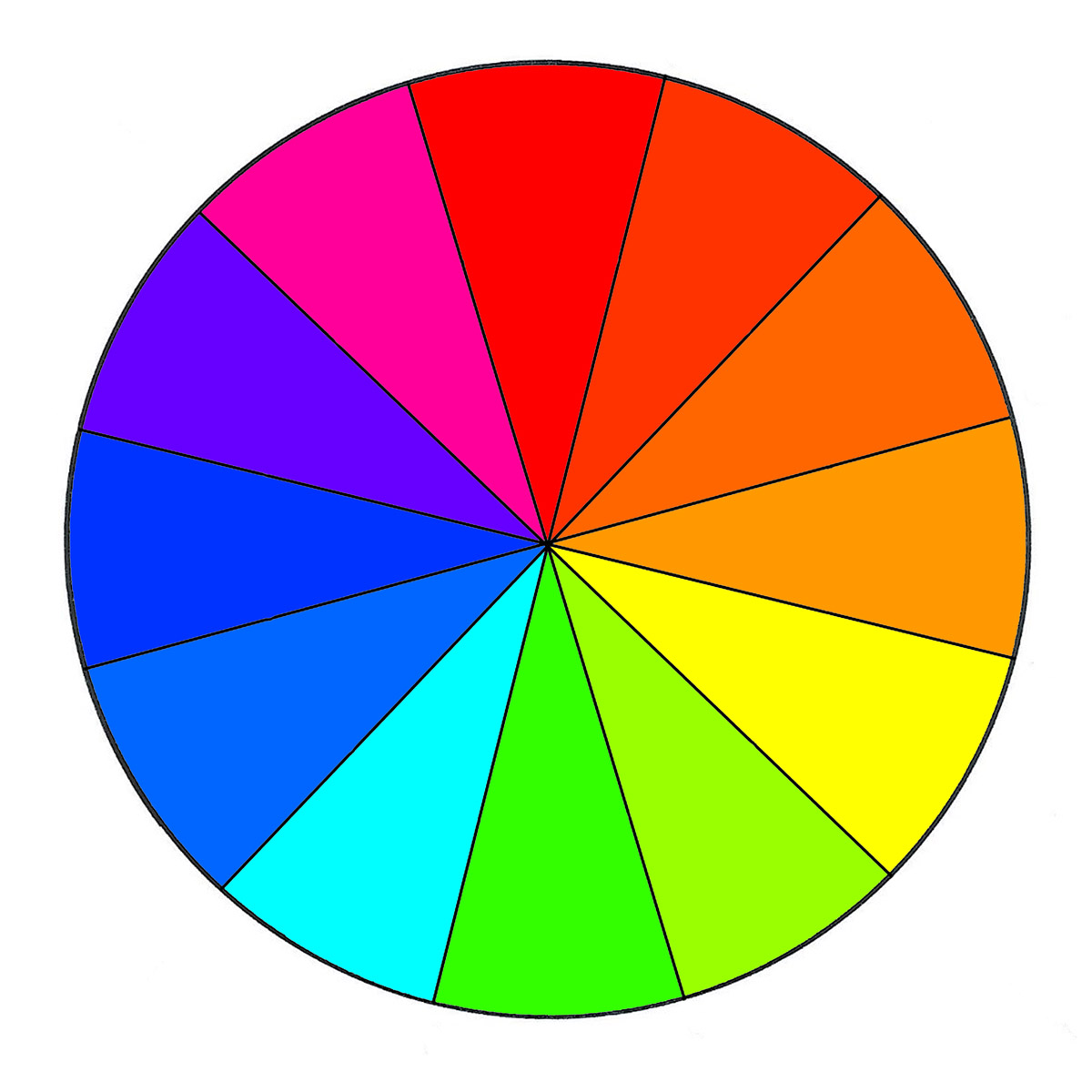 This image displays a color wheel that follows the RYB (Red, Yellow, Blue) color model. This model is commonly used in traditional art and has been the basis of color theory for centuries. Understanding the basics of color wheels is essential for artists, as it expands their creative possibilities and enables them to make informed color choices in their artwork.
Image 5
 The fifth image emphasizes the importance of red, yellow, and blue as the primary colors of color wheels. These colors are the building blocks for all other hues and are crucial for creating accurate color representations. Artists often use red, yellow, and blue as a starting point for their color palette and then build upon it with secondary and tertiary colors.
Image 6
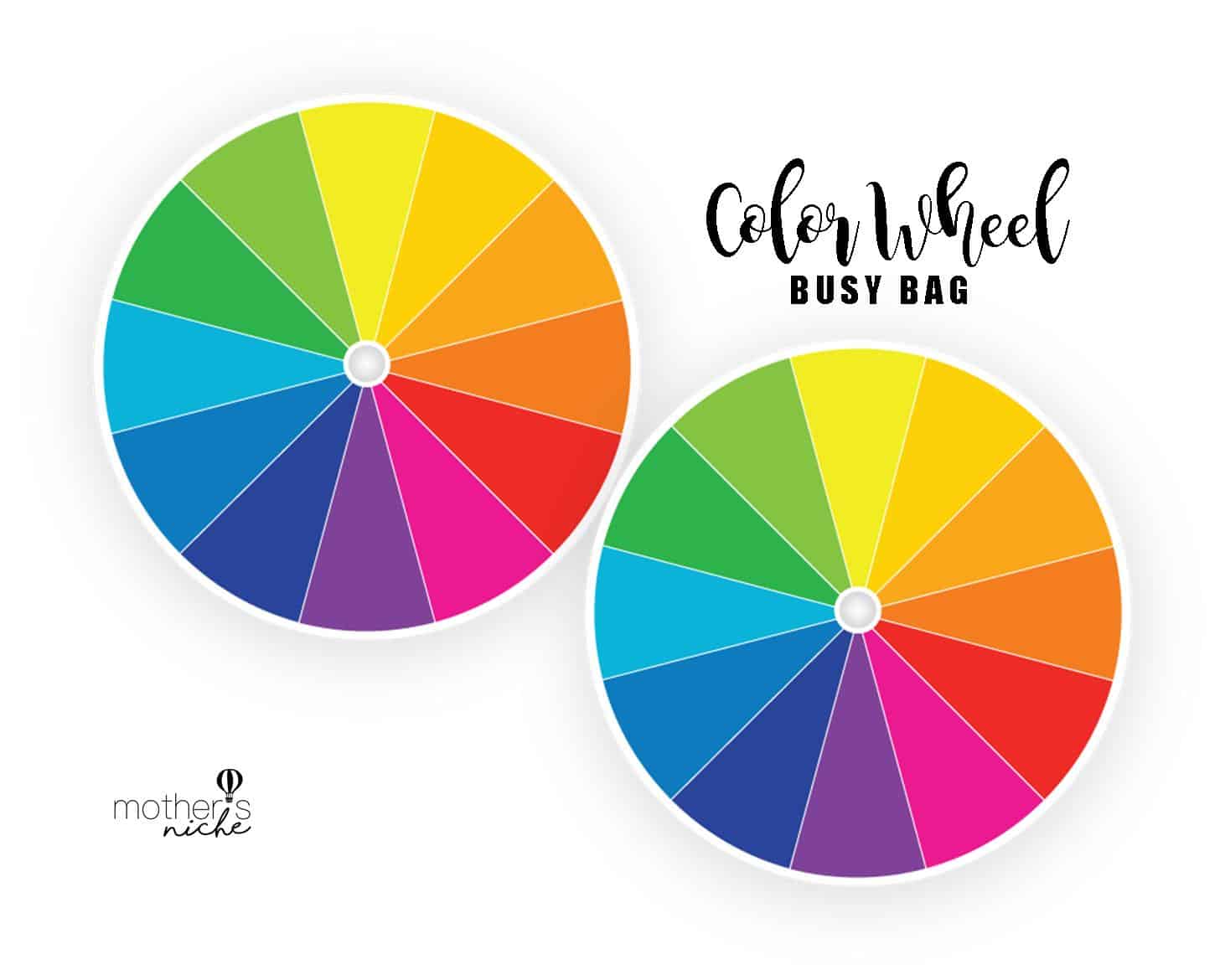 The sixth image showcases a color wheel busy bag, which is a fun and educational activity for young children. It includes a printable color wheel that kids can use to learn about different colors and explore color mixing. Such interactive tools help children develop their creativity and foster an early understanding of color theory.
Image 7
 In the seventh image, we see a printable color wheel that allows individuals to fill in the colors themselves. This hands-on approach helps in memorizing the color wheel and understanding how different colors relate to each other. Printable color wheels are widely used in educational settings and can serve as valuable resources for both students and professionals.
Image 8
 The eighth image represents a blog that shares teaching ideas, including those related to color theory and the color wheel. This platform provides educators with innovative concepts and resources that can enhance their teaching methods and make the learning experience more engaging for students.
Image 9
 Lastly, the ninth image showcases a color wheel template that focuses on emotions and their associated colors. This template allows individuals to explore the emotional impact of different colors and create color schemes based on specific moods or messages. It can be a useful tool for designers, marketers, and anyone involved in visual communication.
Image 10
 The final image presents a color wheel template designed for primary and secondary school art students. This template includes labeled sections for primary, secondary, and tertiary colors, aiding students in understanding color relationships and encouraging creative exploration.
Color wheels and related resources are indispensable tools for artists, designers, teachers, and anyone interested in the world of colors. They provide a framework for understanding the principles of color theory, facilitating effective communication through color choices, and unlocking endless possibilities for creative expression.
