When it comes to bracing ourselves against the cold winter winds, understanding the concept of “Wind Chill” is crucial. Wind Chill is a measure of how cold it feels when the wind is factored into the equation. To help you grasp this concept better, let’s take a look at some Wind Chill charts and delve into the science behind them.
The Science Behind “Wind Chill”
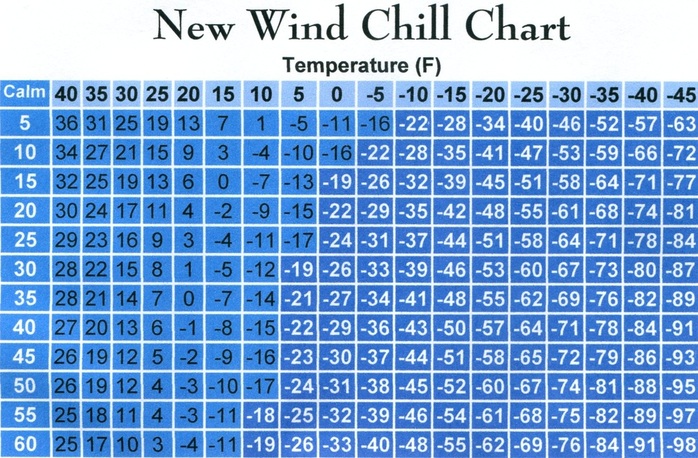
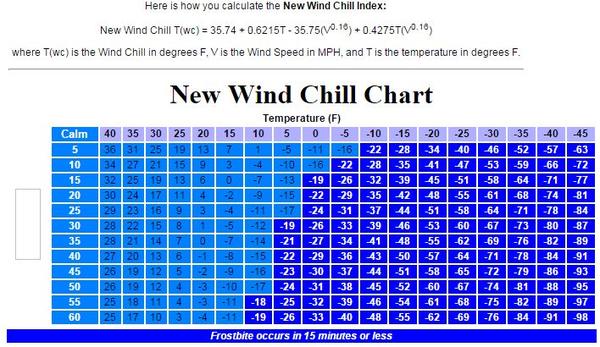 The first Wind Chill chart we have here provides a clear representation of how wind speed and temperature combine to create the Wind Chill factor. The chart shows that as wind speeds increase and temperatures drop, the perceived temperature can dramatically decrease. This is due to the increased rate at which heat is transferred from our bodies to the surrounding air.
Another Wind Chill chart that caught my eye is the one from Mud and Routes. It’s designed to be cut out and kept for easy reference when planning outdoor activities. This visual aid allows us to quickly determine the potential dangers of exposing ourselves to chilly winds at different temperatures and wind speeds.
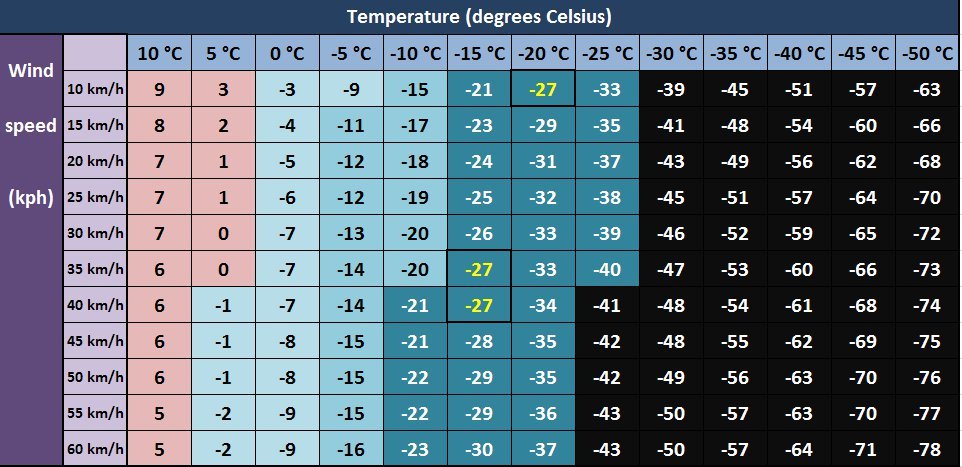 Flickr also offers a visually appealing Wind Chill chart that showcases the range of temperatures and wind speeds, helping us understand the effect wind has on our perception of cold. Remember, it’s not just about the actual temperature but also the wind’s ability to strip away the insulating layer of warm air around us.
 Looking at the Wind Chill chart from Weather Data, we can further explore the various levels of discomfort associated with different wind speeds and temperatures. This valuable information can help us make informed decisions about dressing appropriately and staying safe during chilly weather conditions.
 Winter Awareness Week is Here!
As we enter Winter Awareness Week, it’s important to be prepared for the harsh conditions that lie ahead. This Wind Chill chart from West of the I provides a reminder of the bitter cold temperatures we may encounter.
 For those who prefer visual art, this Wind Chill chart from Great Big Canvas is unique wall art that also serves as a helpful reference point. Hang it in your home as a conversation starter and a constant reminder to bundle up during the frigid winter months.
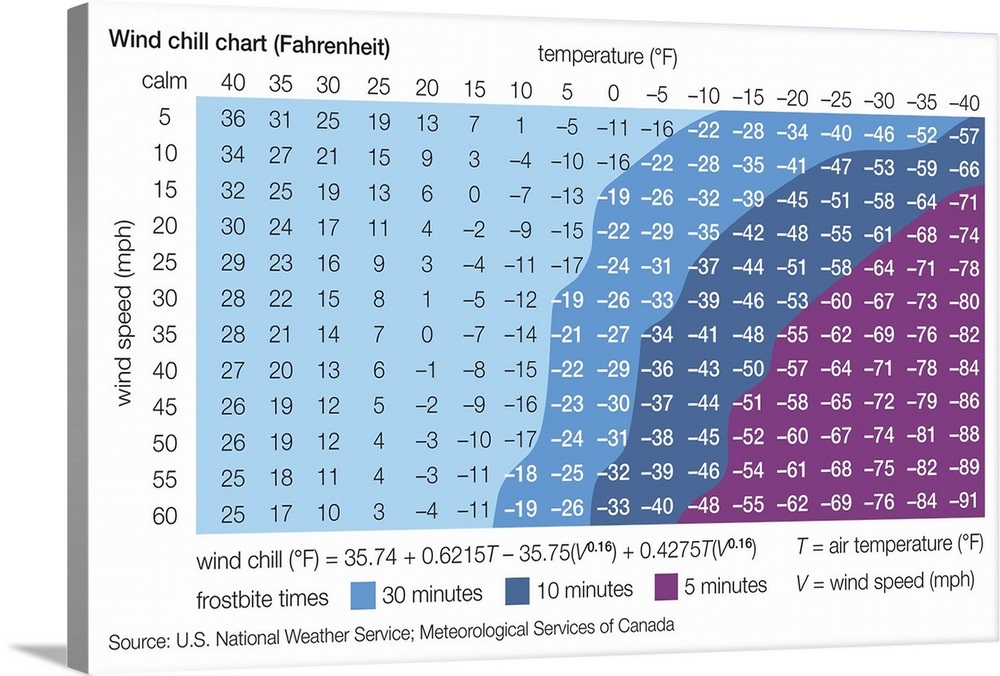 If you find yourself intrigued by the science behind Wind Chill, you might enjoy delving deeper into the topic. The Wind Chill Factor, as explained by the OTA Survival School, is a fascinating concept to explore. This chart visually presents the potential risks associated with different wind speeds and temperatures.
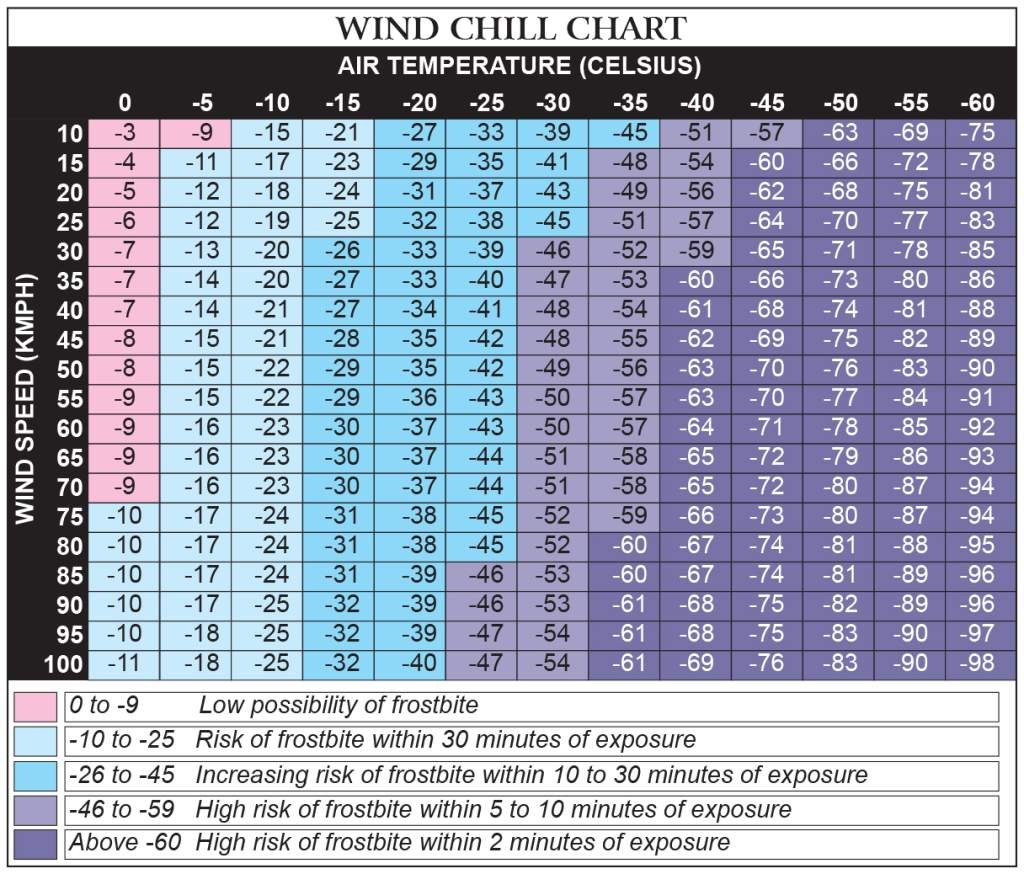 Download the Best Wind Chill Chart
For easy access and further exploration of Wind Chill, you can download the Best Wind Chill Chart from FormsBirds. This printable PDF allows you to have the Wind Chill information readily available whenever you need it, ensuring you’re always prepared for freezing temperatures.
 Lastly, Richard & Rosalie’s Homepage has a comprehensive Wind Chill Chart that covers a wide range of temperatures and wind speeds. This chart is particularly useful if you’re planning outdoor activities and want to ensure everyone’s safety and comfort.
 In Conclusion
Understanding Wind Chill is essential for protecting ourselves against the biting cold of winter. These Wind Chill charts provide valuable information about how wind speed and temperature affect our perception of cold. Remember, it’s crucial to dress appropriately and take precautions to stay safe during chilly weather conditions. Stay warm and enjoy the winter wonderland!
